
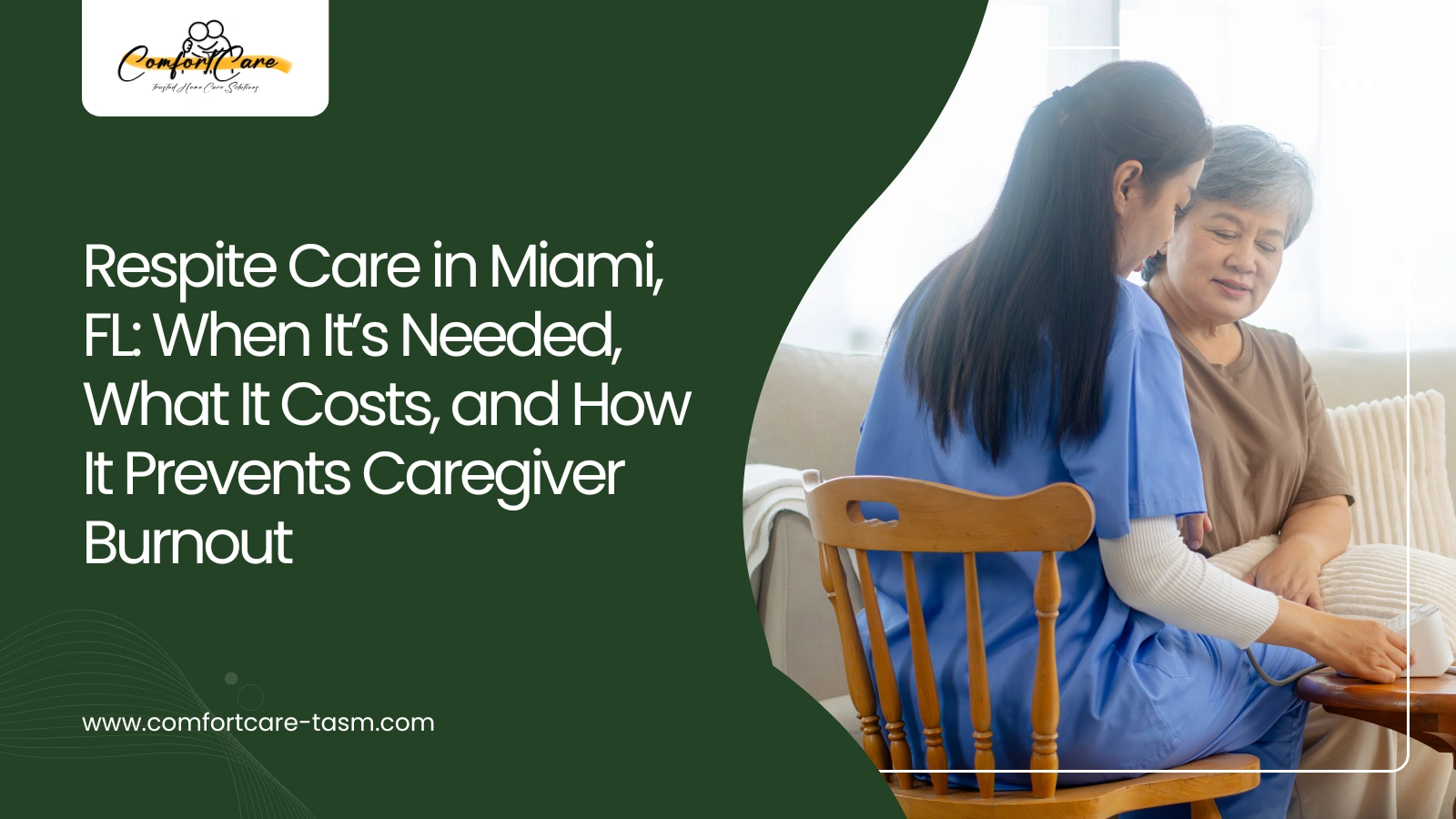
Caring for someone at home often starts as a manageable routine, but over time, the demands quietly increase. What once felt simple can begin to affect sleep, focus, and personal time. This guide walks through when respite care becomes necessary, how pricing works in Miami, and how families can maintain stability without completely stepping away from care.
A Practical Look at How Respite Care Fits Into Daily Life
Daily caregiving rarely pauses, which makes relief not just helpful but necessary. Respite care steps in without disrupting routines, allowing care to continue while the caregiver takes needed time away. It creates a balanced rhythm in which support is shared rather than carried by a single person.
Short-term coverage: allows caregivers to step away for rest, errands, or appointments while care continues safely at home
Routine continuity: ensures meals, hygiene, and supervision remain consistent even during caregiver absence
Flexible timing: supports a few hours, overnight stays, or planned multi-day breaks based on family needs
Families exploring structured support often begin with respite care services, where care plans are designed around real schedules and evolving household needs.
The Slow Build of Caregiver Fatigue in Home Settings
Fatigue rarely arrives all at once. It develops gradually as responsibilities extend into evenings, weekends, and personal time. In Miami, where daily life moves quickly, managing caregiving alongside work and family responsibilities adds to the strain.
Mental overload: constant attention to another person’s needs reduces focus and decision-making capacity
Physical tiredness: assisting with mobility, hygiene, and supervision becomes physically demanding over time
Reduced personal time: limited breaks lead to isolation and reduced emotional balance
Early Signs That Signal It’s Time to Bring in Support
Waiting until exhaustion sets in often makes the transition harder. Small warning signs usually appear well before burnout becomes serious. Recognizing these signals allows families to act early and avoid unnecessary pressure.
Constant tiredness: feeling drained even after rest indicates that care demands are exceeding capacity
Schedule conflicts: missing work tasks or personal responsibilities due to caregiving demands
Emotional strain: increased frustration or reduced patience during daily interactions
How Families Set Up Respite Care Step by Step in Miami
Starting care becomes more manageable when broken into clear steps. Each stage helps align services with the household’s routine and care needs. This approach reduces uncertainty and ensures a smoother transition.
Initial discussion: reviews daily routines, medical needs, and the level of support required
Care plan setup: outlines services such as supervision, personal care, and scheduling preferences
Caregiver selection: matches families with trained professionals suited to the situation
Schedule planning: defines hours, frequency, and flexibility based on lifestyle needs
Ongoing updates: adjust care as health conditions or routines change over time
Comparing Available Respite Care Options for Different Needs
Care needs vary widely, so selecting the right type of respite care matters. Some families need occasional help, while others require more structured support. Knowing the differences helps avoid mismatched expectations.
In-home respite care: keeps seniors in familiar surroundings, reducing confusion and maintaining comfort
Day-based programs: provide structured care outside the home during daytime hours
Extended care options: support longer breaks when caregivers need travel or recovery time
Combining respite with companion care services helps maintain social interaction and emotional well-being, as well as supervision.
Cost Factors That Shape Respite Care Pricing in Miami, FL
Cost planning often becomes a deciding factor. Pricing in Miami reflects the type of care, duration, and level of support required. Understanding what influences cost helps families make practical decisions.
Hours of care: longer or overnight care increases overall cost due to extended support
Level of assistance: specialized needs require trained caregivers, which affects pricing
Frequency of visits: Regular scheduling may provide better long-term value compared to occasional care
What Families Can Expect From a Structured Respite Care Plan
Respite care covers more than supervision. It supports daily living while keeping routines intact and comfortable. Services are adjusted based on personal preferences and health conditions.
Personal care support: assists with bathing, dressing, and mobility to maintain dignity and safety
Meal preparation: ensures consistent nutrition aligned with dietary needs
Medication reminders: help maintain routine without missed doses
Many households pair this with homemaker services to maintain a clean, organized living environment as care continues.
Preparing Your Home and Information Before Care Begins
A smooth start depends on preparation. Clear information allows caregivers to step in confidently without disrupting routines. This preparation also improves communication and safety.
Medical details: provides caregivers with health history and care instructions
Daily routines: outlines preferred schedules for meals, sleep, and activities
Emergency contacts: ensure a quick response in urgent situations
Mistakes That Can Disrupt the Benefits of Respite Care
Some decisions can reduce the effectiveness of care. Awareness helps families avoid setbacks and maintain consistency. Planning carefully improves long-term outcomes.
Delaying support: waiting too long increases stress and complicates care transitions
Focusing only on price: choosing the lowest cost option may reduce care quality
Ignoring flexibility: care needs change, so rigid plans may not remain effective
Everyday Situations Where Respite Care Changes the Outcome
Respite care becomes most valuable when applied to real situations. It supports families through demanding phases without interrupting care. These situations reflect common challenges in Miami households.
Work-life balance: caregivers managing full-time jobs benefit from scheduled care support
Recovery periods: temporary care helps after hospital discharge while routines stabilize
Long-term caregiving: ongoing support prevents exhaustion and maintains consistency
During recovery phases, pairing care with post-hospital care services helps maintain both safety and structured healing at home.
Simple Ways to Make Respite Care More Effective Over Time
Care becomes more effective when used consistently rather than occasionally. Small adjustments improve both caregiver well-being and care quality. Planning ahead creates long-term stability.
Scheduled breaks: regular relief prevents burnout before it develops
Clear communication: sharing expectations helps caregivers follow routines accurately
Progress tracking: reviewing care effectiveness ensures adjustments are made when needed
Accessing Reliable Respite Care Services Across Miami, FL
Care in Miami must adapt to varied neighborhoods, traffic patterns, and healthcare access. Local providers understand these factors and offer practical scheduling solutions. Comfort Care supports families across the region with flexible in-home services tailored to real-life routines.
Explore coverage through the Miami service areas page, where you can understand how services are delivered across different parts of the city and surrounding communities. For a broader view of their professional presence, visit the Comfort Care LinkedIn profile, which highlights updates, service focus, and organizational insights.
Frequently Asked Questions About Respite Care in Miami, FL
Clear answers often make decisions easier. These common questions help families understand how respite care works in practical terms.
What does respite care include in Miami, FL?
Respite care includes supervision, personal assistance, and daily support at home. Through respite care services, families can explore flexible care plans that adapt to different schedules and needs.
How is respite care priced in Miami?
Pricing depends on the number of hours and the level of care. Reviewing private duty care services gives a clearer picture of how extended or specialized care affects overall cost planning.
When should respite care begin?
It is best to start before exhaustion builds up. Many families begin with companion care services to gradually ease into structured support.
Can respite care work alongside other services?
Yes, it often combines with transportation and errands services to support daily independence while ensuring supervision and safety.
Build a Sustainable Care Routine With Comfort Care in Miami
Caregiving becomes more manageable when support is shared. Taking time to rest does not reduce the quality of care; it helps sustain it over time. Comfort Care provides respite care services across Miami, FL, helping families maintain routines without carrying the full responsibility alone. Each care plan is built around real needs, not fixed schedules.
📍 Address: 1150 NW 72nd Ave, Tower 1, Ste 455, Miami, FL, 33126
📞 Call: (954) 667-5500
📧 Email: comfortingcarehhc@outlook.com
Starting support early helps keep care steady, balanced, and easier to manage day by day.